

Enhancing Urban Climate Resilience in Panaji (Goa, India): Insights from the Urban-Act Field Mission
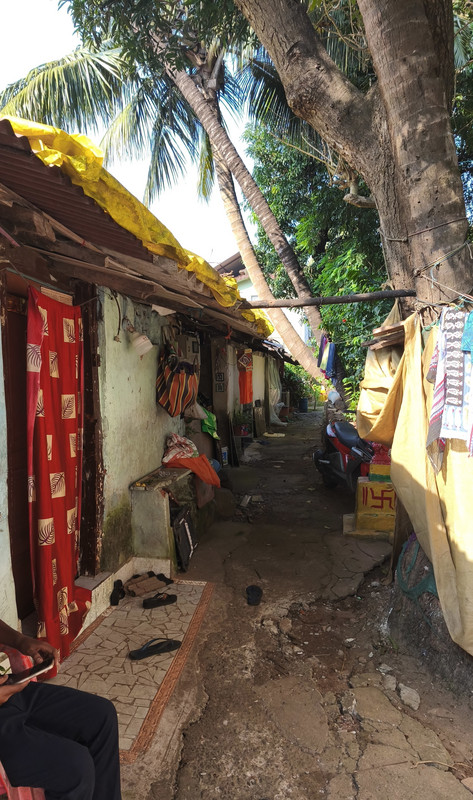
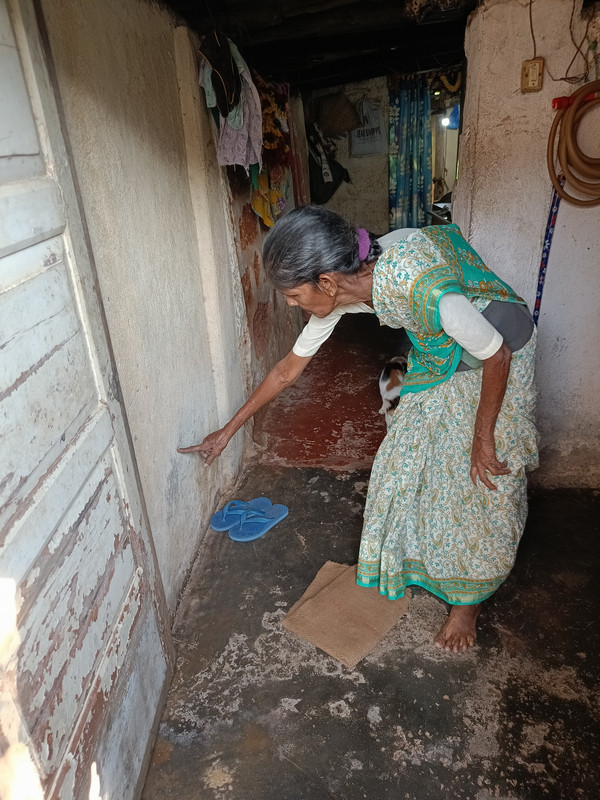
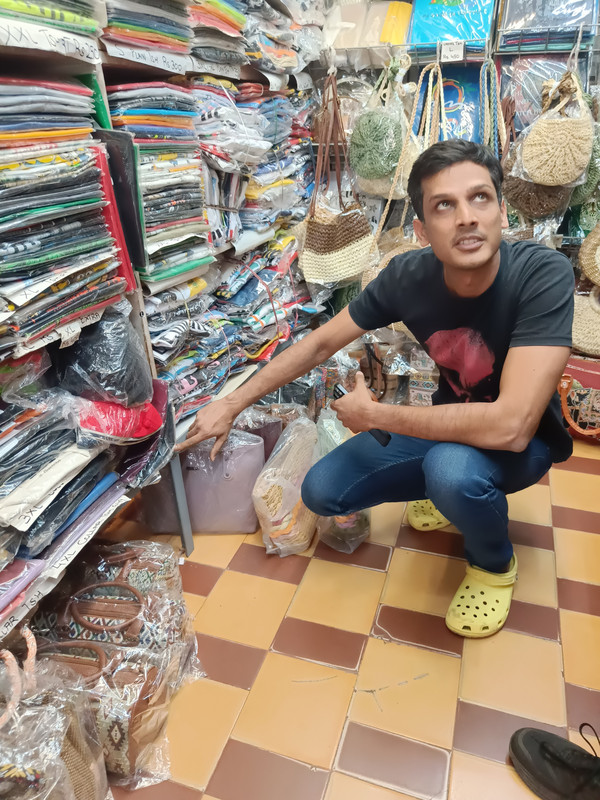
The field mission started with a one-day field visit. The GIZ Indian team and local agencies, Smart City Panaji/ Imagine Panaji Smart City Development Limited (IPSCDL) and the Corporation of the City of Panaji (CCP) accompanied the German University team for rapid reality check of flood hotspots of vulnerability and risk, resulting from the household survey and vulnerability assessment, developed by Dr. Ali Jamshed from the University of Stuttgart's (IREUS)). At the settlement along St. Inez Creek (Photos 1 and 2), the Urban-Act team conducted a video interview with the ward representative (Photo 3) to learn the area’s historical flood situation. The team also went to the commercial area around 18th June Road, identified as one of the flood hotspots (Photo 4). We then further visited the settlement along the city’s coastal line, which represents high vulnerability due to a lack of capacity.

Knowledge exchange with Town & Country Planning Department on climate resilience and spatial planning was the highlight for day 2. The event was hosted by the North Goa Town and Country Planning Department. The RER team shared experiences from Germany and other Southeast Asian countries and exchanged on leveraging planning instruments for integrated climate resilience in urban and regional planning.
19th November 2025 - The hybrid participatory workshop formed the core of this field mission. The objectives of the workshop are to present and verify the scientific findings on local climate vulnerability assessment and transport network analysis, as well as to conduct a participatory mapping exercise with local stakeholders (Photo 5). During the participatory mapping exercise, four working groups of participants were engaged in evaluating and mapping potential climate-resilient intervention measures (Photo 6). Relevant state and local officials and leaders, as well as local academic institutions, and women's groups jointly discussed and expressed their concerns, needs and recommendations for implementing feasible intervention measures in the city of Panaji and its surroundings.


The Indian field mission enabled us to strengthen our working network with Indian local partners and community stakeholders. Crucially, this participatory approach ensures that the resulting evaluation and prioritisation of climate-resilient interventions are based on feasible and practical solutions. Such direct input is essential for jointly evaluating and prioritising the most practical and feasible steps that the Urban-Act team can take in its next working phase. Moreover, it ensures the resulting interventions are ready to be taken up and scaled for funding opportunities.